

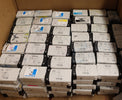
Recycling Ink Cartridges Keeps Usable Plastic in Circulation
, by Planet Green, 2 min reading time
, by Planet Green, 2 min reading time
Ink cartridges are built from durable plastic components designed to withstand heat, pressure, and repeated use inside printers. When these cartridges are recycled instead of discarded, those usable plastic components stay in circulation longer, delivering more value from the same materials.
This extended use is one of the most effective ways to reduce plastic waste.
The plastic shells used in ink cartridges are not fragile or short-lived. In most cases, the shell remains fully functional long after the ink is depleted.
When cartridges are thrown away:
Recycling prevents this unnecessary loss.
Recycling programs recover cartridge shells so they can be:
As long as the plastic component remains intact, it can continue serving its original purpose instead of becoming waste.
Keeping plastic components in circulation spreads their environmental cost across multiple uses. This:
The longer a plastic component stays in use, the less impact it carries over time.
Rather than a one-way path from production to disposal, recycling supports a circular approach where materials loop back into use.
For ink cartridges, that loop keeps plastic:
This is practical circularity—not theory, but a system already in operation.
Plastic becomes waste not because it fails, but because it leaves circulation too soon. Recycling keeps materials moving where they still have purpose.
Every cartridge recycled extends the life of usable plastic components and delays—or prevents—their entry into the waste stream.
Recycling ink cartridges doesn’t just manage waste—it maximizes the usefulness of materials already produced. By keeping plastic components in circulation longer, environmental impact is reduced without changing how printing works.
It’s a simple shift with lasting benefits:
use longer, waste less, and keep valuable materials where they belong—in circulation, not in landfills.

“Made in the USA” is a powerful phrase. For many buyers, it suggests domestic manufacturing, American jobs, shorter supply chains, and confidence in how a...

A printer cartridge may seem like a simple office supply. It is purchased, installed, used, replaced, and often forgotten. But behind every cartridge is a...

Recycling is important, but it is not always the highest-value environmental outcome. For many products, the better question is not simply, “Can this be recycled?”...

Not every empty printer cartridge can become a remanufactured cartridge. That surprises many consumers. If two cartridges fit the same printer, why can one often...