

Single-Use Ink Cartridges: The Silent Plastic Crisis Nobody’s Talking About
, by Planet Green, 3 min reading time
, by Planet Green, 3 min reading time
When we talk about plastic pollution, we usually think of grocery bags, water bottles, and packaging waste. But there’s another major contributor to the plastic crisis hiding in plain sight: single-use ink cartridges.
Millions of them are sold every year - and most are used once and thrown away. They don’t break down. They don’t get recycled. And the consequences are piling up.
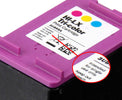
Single-use cartridges are ink cartridges designed to only be used one time, with no intention of remanufacturing or recycling. They often fall into one of these categories:
The result? Hundreds of millions of plastic shells going straight into landfills - every single year.
Unlike other plastic products that might break down over time, ink cartridges are complex items made of:
These materials don’t biodegrade, and because they’re fused together, they can’t easily be broken down or processed. Once in the landfill, they can leach trace chemicals and contribute to microplastic contamination in water and soil.
And because ink cartridges are small and light, they often get overlooked in broader conversations about plastic waste. But their impact is very real.
This isn’t just a consumer issue - it’s a design issue. These cartridges were built to be thrown away.
The solution is surprisingly simple: reuse the cartridge shell as many times as possible. That’s where remanufactured ink comes in.
At Planet Green Recycle, every cartridge is:
Better yet, the company offers free recycling labels for your used ink - making it easier than ever to stop the cycle of waste.
The single-use ink cartridge crisis isn’t just about landfills. It’s about the kind of future we’re creating. Plastic waste doesn’t disappear - it builds up, breaks down into microplastics, and enters the food chain. It affects wildlife, ecosystems, and human health.
Every time you buy a remanufactured cartridge or send in your empty ink for reuse, you're making a real difference. You're reducing waste, conserving oil, and helping fix a broken system - one print job at a time.
Visit PlanetGreenRecycle.com and start closing the loop today.

Many churches and church groups benefit from fundraising for all kinds of important work. Youth programs, mission projects, community outreach, food ministries, special events and...

School fundraising usually comes with a catch. Someone has to sell something. Parents are asked to buy something. Students bring order forms home. Teachers and...

“Made in the USA” is a powerful phrase. For many buyers, it suggests domestic manufacturing, American jobs, shorter supply chains, and confidence in how a...

A printer cartridge may seem like a simple office supply. It is purchased, installed, used, replaced, and often forgotten. But behind every cartridge is a...