

The Growing Threat of Clone Cartridges: Why Recycling Just Got Harder
, by Planet Green, 3 min reading time
, by Planet Green, 3 min reading time
In the ongoing battle against landfill waste, ink cartridge recycling has long been a newsworthy story. Millions of used cartridges have been diverted from landfills and given new life through remanufacturing- reducing environmental impact, conserving resources, and supporting a circular economy. But that system is now under attack.
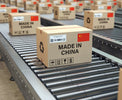
An overwhelming wave of cheap, imported “clone” cartridges is flooding the U.S. market - particularly from third-party overseas sellers via e-commerce giants like Amazon and eBay. These lookalike cartridges often mimic name-brand products, skirt intellectual property laws, and are designed to be used once and discarded. And that’s where the real problem begins.
Clone cartridges are newly manufactured ink cartridges made to imitate the design of major OEM (Original Equipment Manufacturer) brands like HP, Canon, and Epson. While they often claim to be “recycled” or “remanufactured,” most are anything but.
Unlike Planet Green Recycle’s cartridges, which are carefully remanufactured from original OEM cores, clone cartridges are single-use by design - making them the ink industry’s version of the plastic straw.
These cartridges may be marketed as “eco-friendly” or “remanufactured,” but the reality is far from green.
And since many consumers are unaware of the difference between genuine remanufactured cartridges and clones, these products continue to sell - and continue to pollute.

Clone cartridges aren’t just bad for the environment - they’re devastating to the U.S. remanufacturing industry. American remanufacturers like Planet Green Recycle depend on used OEM cartridges to rebuild and resell. But the rise of clone cartridges is drying up the supply of reusable cores and putting thousands of skilled jobs at risk.
By offering artificially low prices, clone sellers - often untraceable and unregulated - are undercutting the legitimate industry. It’s a lose-lose situation: the environment suffers, American jobs vanish, and consumers are left with lower-quality, non-recyclable products.
Consumers are often misled by ambiguous product descriptions. Here’s how to tell the difference:
At Planet Green Recycle, we’ve spent more than two decades rebuilding original ink cartridges right here in the U.S. - diverting millions from landfills and helping thousands of organizations raise funds through our recycling program. But we can’t fight this flood of waste alone.
Every purchase you make is a vote - for sustainability, for domestic jobs, and for a healthier planet. Say no to clones. Say yes to reuse. Buy U.S. remanufactured.

Many churches and church groups benefit from fundraising for all kinds of important work. Youth programs, mission projects, community outreach, food ministries, special events and...

School fundraising usually comes with a catch. Someone has to sell something. Parents are asked to buy something. Students bring order forms home. Teachers and...

“Made in the USA” is a powerful phrase. For many buyers, it suggests domestic manufacturing, American jobs, shorter supply chains, and confidence in how a...

A printer cartridge may seem like a simple office supply. It is purchased, installed, used, replaced, and often forgotten. But behind every cartridge is a...