

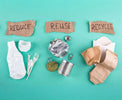
Reuse Is One of the Simplest Ways to Reduce Waste
, by Planet Green, 2 min reading time
, by Planet Green, 2 min reading time
Waste reduction doesn’t always require complex systems, new technology, or major lifestyle changes. In many cases, the most effective solution is also the simplest one: reuse. By extending the life of products that are already made, reuse prevents waste before it exists.
Ink cartridges are a clear example of how powerful this approach can be.
Most waste strategies focus on what happens after something is thrown away. Reuse works earlier in the process.
When a product is reused:
The waste is avoided entirely, which is more effective than managing it later.
Reuse succeeds because it fits naturally into everyday life. There’s no need to change how a product is used—only how it’s handled when it’s finished.
For products like ink cartridges:
That small decision delivers long-term benefits with minimal effort.
Durable products are often discarded long before their materials are worn out. Ink cartridges are built from high-grade plastics designed to last far beyond a single ink cycle.
Reuse keeps those materials:
Each additional use extracts more value from the same resources.
Because reuse is easy, it scales well. When many people make the same simple choice, the impact grows rapidly.
At scale, reuse:
Small actions become significant when repeated consistently.
Reuse doesn’t require everyone to do everything perfectly. It works even when participation is partial, as long as it’s consistent.
That accessibility is what makes reuse such a powerful waste-reduction tool—it lowers the barrier to participation while still delivering real results.
Recycling manages waste. Reuse prevents it.
By choosing reuse whenever possible, waste is reduced before it ever reaches a landfill. There’s no complex system to learn, no drastic behavior change required—just a decision to keep useful materials in use a little longer.
Reuse is simple by nature. And that simplicity is exactly why it works.

“Made in the USA” is a powerful phrase. For many buyers, it suggests domestic manufacturing, American jobs, shorter supply chains, and confidence in how a...

A printer cartridge may seem like a simple office supply. It is purchased, installed, used, replaced, and often forgotten. But behind every cartridge is a...

Recycling is important, but it is not always the highest-value environmental outcome. For many products, the better question is not simply, “Can this be recycled?”...

Not every empty printer cartridge can become a remanufactured cartridge. That surprises many consumers. If two cartridges fit the same printer, why can one often...